What Is The Best Time Of Year To Visit The Kentucky Bourbon Trail?
A season by season and month by month guide to timing a Kentucky Bourbon Trail trip: crowds, weather, annual bourbon festivals, and when to book distillery tours.
What Is The Best Time Of Year To Visit The Kentucky Bourbon Trail?
The best time of year to visit the Kentucky Bourbon Trail is late September through October, when fall foliage peaks across central Kentucky and the distillery experience is at its fullest, but it is also the busiest and books out furthest ahead. Travelers who want shorter lines and easier reservations should aim for midweek visits in spring (April to May) or winter (January to February), accepting variable weather in exchange for availability.
That is the short version, and it hides a real trade-off. The Kentucky Bourbon Trail hosted 2.7 million visitors in 2025, according to the Kentucky Distillers' Association, and those visitors do not spread themselves evenly across the calendar (see Passport Retired). September and October concentrate festivals, limited-edition bourbon releases, peak leaf color and the best weather all into one six-week window, which is exactly why tours at popular stops can sell out 30, 60 or even 90 days in advance during that stretch. Go then and you get the Trail at its best, provided you planned months earlier. Go in February and you can sometimes decide on a Tuesday.
The official program's own planning guidance recommends no more than three distillery locations per day and one region per trip, because participating distilleries sit as close as a stone's throw to as far as 100 miles apart. Timing interacts with that limit: in peak season a two-distillery day with a long drive between stops can be all that reservations allow, while in slow season three stops with relaxed pacing is realistic. A guided day tour solves part of the puzzle because the operator holds the itinerary together, and readers comparing options can start with the full day distillery tour from Louisville, which covers three distilleries in one booked day.
Kentucky itself is the constant through all of this. The state's bourbon industry drew visitors steadily enough that 2025 held even with the prior year's record total, and the Trail now markets itself around "nearly 70 participating distillery destinations" from Northern Kentucky to the west of the state. Whatever month you pick, the whiskey is the same. What changes is everything around it.
Which Season Has The Best Weather For Distillery Tours In Kentucky?
Kentucky's most comfortable touring weather runs September through early November, with daytime temperatures mild enough for warehouse tours and walks between buildings. Spring, roughly April through early June, is the second best window: green, flowering and pleasant, but prone to thunderstorms. Summer is hot and humid, and winter is cold but rarely severe enough to close distilleries, which stay open year-round.
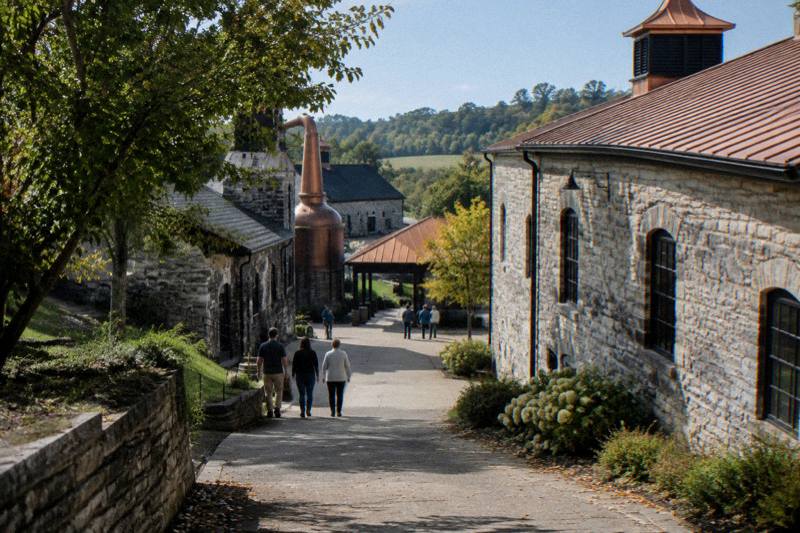
Bourbon touring is an indoor-and-outdoor hybrid. The tasting rooms and visitor centers are climate controlled, but nearly every distillery tour walks you through rickhouses, courtyards, barrel yards and, at places like Buffalo Trace in Frankfort, across a large historic campus. Distillery grounds are part of the appeal, and several of the most photographed stops, Woodford Reserve in Versailles among them, are destinations precisely because of their outdoor settings. Weather therefore matters more than a first-time visitor might expect.
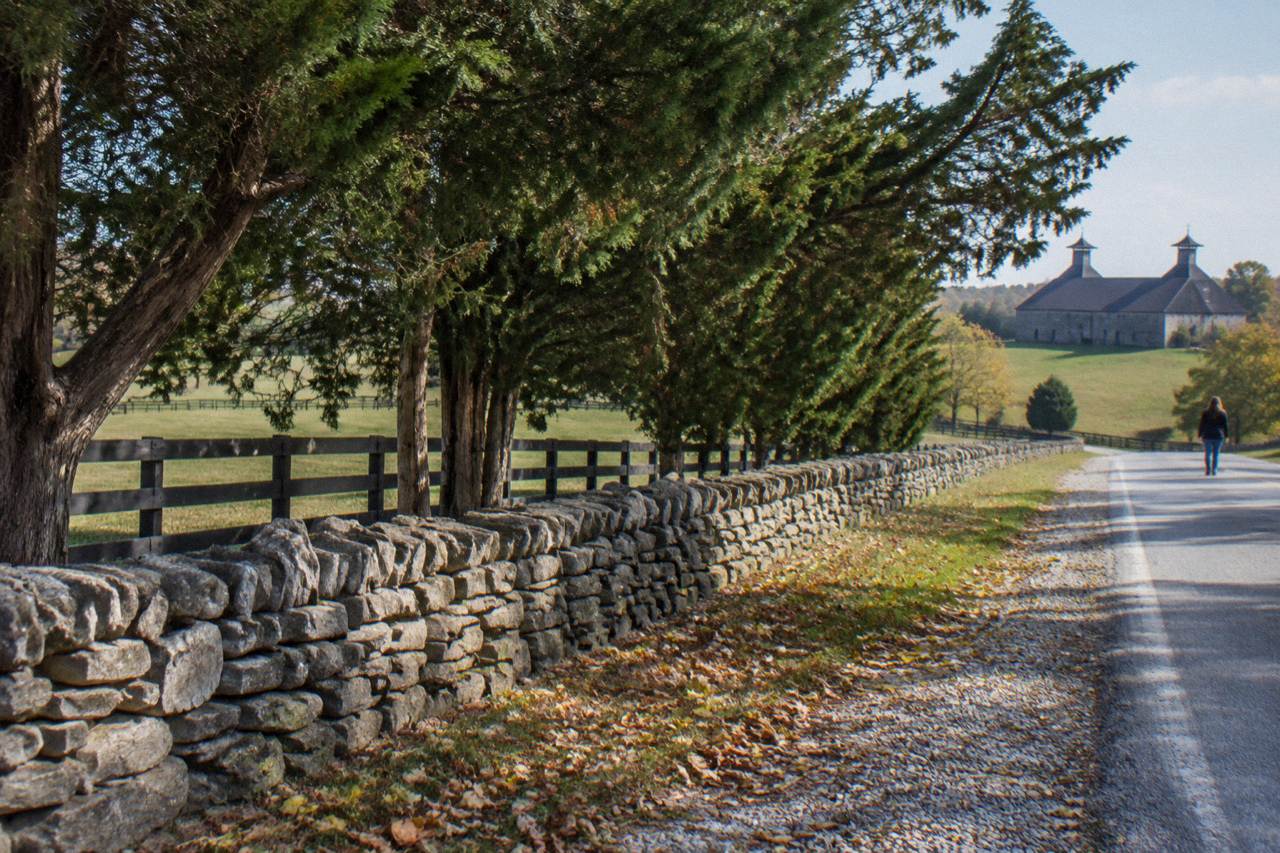
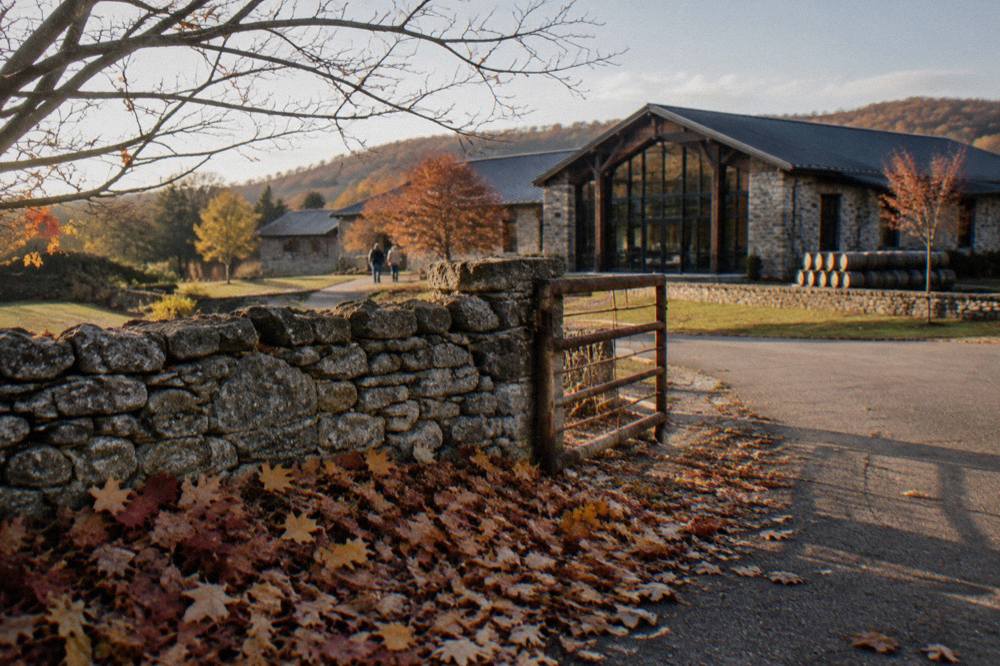
Fall is the season the region builds toward. Peak color in the Bluegrass, Bardstown and Louisville corridor generally arrives in late October, and the drives between distilleries, which can run 30 to 50 minutes in the rural stretches, turn into the visual highlight of the trip. The distilleries themselves are aware of the draw; September is even celebrated as Bourbon Heritage Month across the industry, and operators add programming around it. The compromise is crowds, covered in the next section.
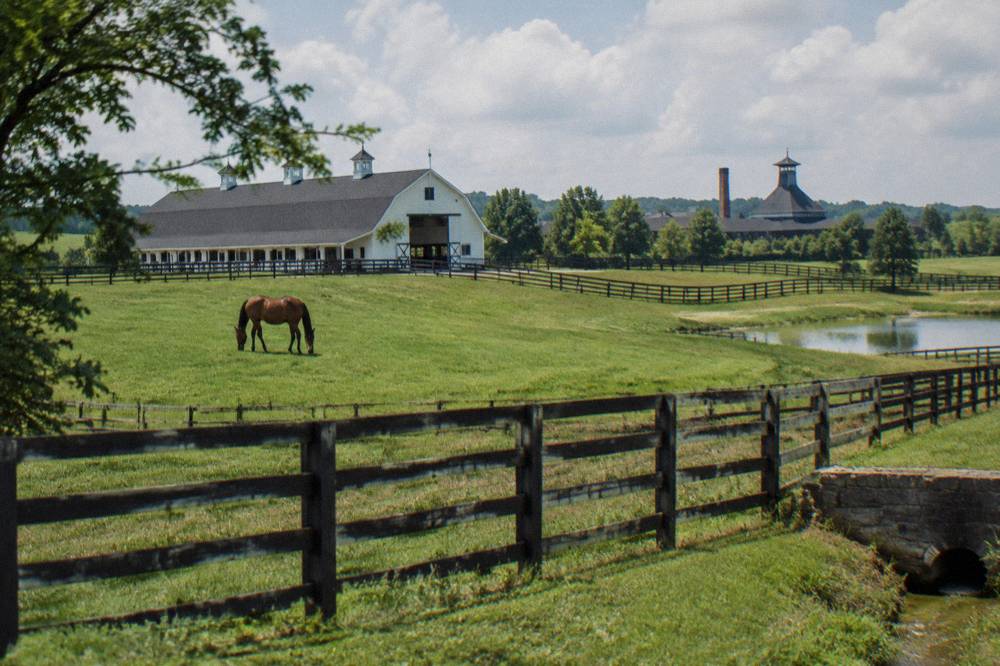
Spring runs a close second on weather. April and May bring the horse farms of the Bluegrass to life, and Louisville pairs well with a distillery itinerary because both experiences sit within an hour of each other. The caveat is rain: Kentucky spring is genuinely showery, and an outdoor-heavy tour can turn damp. Pack layers and a shell, and check whether your chosen distilleries run their standard tour routes in wet weather, since a few shorten outdoor segments during storms.
Summer and winter are the shoulder extremes. July and August heat makes rickhouse interiors, which are ventilated but not air conditioned, feel like a different climate; the warehouses are kept warm on purpose for the bourbon's maturation cycle, and a July afternoon inside one is an experience in itself. Winter, by contrast, is quiet, cheap and cold, with bare trees replacing the fall color but tour groups thinning out dramatically. Neither is a bad choice, and both reward travelers whose priority is the bourbon rather than the backdrop.
For readers who would rather let a guide handle the moving parts in any season, the Kentucky Bourbon Experience day tour visits three iconic distilleries with pickup and drop-off in Louisville, Bardstown or Frankfort, free cancellation, and a current rating of 4.3 from 58 reviews at from $239.99 per person.
When Is The Bourbon Trail Busiest, And When Does It Sell Out?
September and October are the busiest months on the Kentucky Bourbon Trail, driven by fall foliage, bourbon festivals and limited-edition releases, and popular distillery tours in that window can sell out 30, 60 or even 90 days in advance. Weekends are tightest year-round. The quietest stretches are January through February and midweek days almost anywhere on the calendar. If those peak-season sellouts have you planning ahead, our guide to bourbon trail tour packages explains what each ticket type actually covers.
The Trail's own booking guidance is unusually blunt about this. The Kentucky Distillers' Association states plainly that reservations are highly recommended, that a handful of distilleries offer walk-in experiences but that planning without booking is highly discouraged, and that advance booking windows often run 6 to 12 weeks. Buffalo Trace, whose complimentary tours make it the single most in-demand stop in Frankfort, releases reservation dates weekly on Wednesdays at 10:00 a.m. Eastern and opens its calendar up to eight weeks ahead. That cadence means a peak-season Saturday at Buffalo Trace is claimed almost the moment it appears.
Peak-season pressure is not uniform across the Trail. The famous heritage distilleries, Buffalo Trace, Maker's Mark, Woodford Reserve, Angel's Envy in Louisville, feel it hardest. Smaller and newer stops, including many of the tasting rooms added to the program in recent years, often have same-week availability even in October. A realistic peak-season strategy mixes one or two hard-to-book anchors reserved far ahead with flexible smaller stops filled in around them, or hands the whole problem to a tour operator who holds blocks of reservations.
Shoulder seasons behave differently in kind, not just degree. April and May see a steady climb toward Derby-week demand in Louisville, when hotels in the city spike and distillery tours near Louisville book up significantly earlier than usual. The weeks after Derby, mid-May into early June, are a genuine sweet spot: spring greenery, warm-but-not-hot weather and a post-event lull. Late November and December bring their own mini-peak around holiday programming in Louisville, but the rural distilleries quiet down noticeably.
The single most useful planning fact in this entire discussion comes from the Trail's own know-before-you-go guidance: Tuesday or Wednesday visits may still have availability when everything else is gone. Midweek is not a hack so much as arithmetic, since weekend visitors outnumber weekday ones several times over at most stops, and it holds in every season. A Wednesday in March will feel nearly private at stops where a Saturday in October feels like a festival.
Travelers who want the structure of a guided day should also note that tour operators absorb some of this calendar pressure. The Mint Julep Buffalo Trace day from Louisville, which pairs Buffalo Trace with Bulleit, Pappy & Co. and Rabbit Hole over nine and a half hours with a local lunch included, runs 5.0 from 51 reviews at from $289 per person with free cancellation, and the operator manages the individual stop reservations as part of the package.
How Does The Bourbon Trail Change Month By Month?
Each month on the Bourbon Trail has a distinct character: January and February are quiet and cold, March and April wake up with spring events, May swings with Derby demand, June through August run hot and family-heavy, and September through November stack festivals, releases and foliage into the busiest stretch, before December closes the year with holiday programming in Louisville.
The table below summarizes the year as it actually behaves on the ground in Kentucky, combining weather patterns, crowd levels and the annual events that anchor each stretch. Use it to match a trip to what matters most to you: quiet warehouses, green pastures, festival energy or peak color.
| Month | Typical Conditions | Crowd Level | What Defines It |
|---|---|---|---|
| January | Cold, often 30s F, bare trees | Very low | Easiest reservations of the year; some distilleries trim tour schedules |
| February | Cold, occasional snow | Low, except Bourbon Classic weekend in Louisville | Late-February Bourbon Classic brings tastings and seminars downtown |
| March | Cool, changeable | Low to moderate | Early spring greenery begins; good midweek availability |
| April | Mild, showery | Moderate | Spring color, horse farm season, blooming Bluegrass |
| May | Warm, pleasant | High around Derby, calmer after | Derby week spikes Louisville hotels and tours; post-Derby lull is a sweet spot |
| June | Warm to hot, humid | Moderate | Family travel picks up; rickhouse tours get warm |
| July | Hot, humid | Moderate | Heat makes outdoor segments short; tastings are the draw |
| August | Hot, humid, storms | Moderate to high late | Late-August buzz builds toward Bourbon Heritage Month |
| September | Mild, pleasant | High | Bourbon Heritage Month, the Kentucky Bourbon Festival in Bardstown, early releases |
| October | Mild, peak foliage late month | Highest | Foliage, limited-edition releases, festivals; book months ahead |
| November | Cool, color fading early month | Moderate, dropping | Quiet, scenic first week; holiday programming builds late |
| December | Cold, festive | Low outside Louisville | Holiday events and pop-ups in the city; rural distilleries quiet |
Two clarifications keep that table honest. First, Bourbon Classic, the Kentucky Bourbon Festival in Bardstown and the Bourbon & Beyond music-and-bourbon festival in Louisville are all established annual traditions, and the specific dates shift each year, so treat the months above as the pattern rather than a fixed schedule. Second, "crowd level" describes typical distillery demand, not festival attendance: a September weekend in Bardstown during festival season is busy everywhere in town, not just at the distilleries, and lodging in small towns tightens before tour calendars do.
Winter deserves a longer look than most planning guides give it, because its weaknesses are also its strengths. Yes, the trees are bare and the outdoor campuses feel stark. But January and February offer the shortest waits of the year, distillery staff have time to talk, and downtown Louisville still has genuinely active bourbon culture. Beyond the Barrel, a NuLu walking tour pairing a full dinner of bites with bourbon tastings and craft cocktails, runs year-round at 4.9 from 186 reviews with free cancellation, and it is exactly the kind of experience that makes a cold-weather Louisville weekend work.
When Do Kentucky's Big Bourbon Events Happen?
Kentucky's bourbon calendar is anchored by four recurring traditions: Bourbon Classic in downtown Louisville in late February, Kentucky Derby week in early May, the Kentucky Bourbon Festival in Bardstown in September, and Bourbon & Beyond in Louisville in late September, with seasonal distillery events filling the gaps around them. Each one reshapes crowds and lodging in its host city.
The Kentucky Bourbon Festival is the emotional center of the bourbon year in Bardstown, the small town that calls itself the Bourbon Capital of the World. It has historically sold out annually since becoming a ticketed event, it is strictly 21 and over, and it runs rain or shine with wristband entry. Bardstown is also a distillery town in its own right, home to the Heaven Hill Bourbon Experience and the Bardstown Bourbon Company, so festival weekend means full hotels and full tour calendars across the whole area. Travelers who want the festival and the distilleries usually split lodging between Bardstown and Louisville to hedge.
Bourbon & Beyond, held late September at Louisville's Kentucky Exposition Center, is a major music festival with serious bourbon and culinary programming; it fills the Highland Festival Grounds at the Kentucky Exposition Center for four days and pulls a national crowd into Louisville. The effect on distillery availability is indirect but real, since thousands of visitors extend their trips with tour days before or after. Derby week works the same way at higher intensity: the first Saturday in May is Louisville's biggest event of the year, hotel prices spike, and tourism sources consistently advise booking months ahead for anything Derby-adjacent, distillery tours included.
The pattern to internalize is that events load demand onto specific weekends rather than whole months. A late-September visit that avoids festival weekends entirely behaves more like a normal shoulder-season trip than a peak one. The reverse also holds: a quiet month with one big event weekend, February with Bourbon Classic, for example, needs festival-weekend bookings made on the festival calendar's timeline, not the month's. Check event dates for your travel year before assuming anything in this paragraph, since all of these shift annually.
How Far Ahead Should You Actually Book?
For a peak fall trip, book distillery tours and Louisville or Bardstown lodging 6 to 12 weeks ahead, and reserve the hardest-to-book stops, Buffalo Trace especially, the week their calendars open. For spring or summer, two to six weeks usually suffices. For winter midweek trips, same-week booking is often realistic, though operators and hotels still prefer notice.
Those windows come straight from the official guidance: the Kentucky Bourbon Trail advises that reservations are highly recommended, that tours and tastings can sell out 30, 60 or even 90 days in advance, and that advance booking windows often run 6 to 12 weeks. Group travelers get a firmer rule, since groups of 10 or more must arrange tours in advance at participating distilleries. Solo couples in February have slack; a party of twelve in October has none.
A booking sequence works better than a single deadline. Reserve the anchors first, meaning the distilleries with the scarcest reservations and any festival-weekend lodging, then fill in the flexible stops, then book restaurants and secondary experiences. Guided day tours compress this further, because one reservation covers transportation and multiple stops; the featured three-distillery full day tour from Louisville, at 4.3 from 680 reviews and from $189 per person with hotel pickup from downtown, is a single booking that solves a full day. Readers working through the full timing question in more depth can also see the site's guide to how far in advance to book the Bourbon Trail.
Common Questions About The Best Time To Visit The Kentucky Bourbon Trail
What Is The Best Time Of Year To Visit The Kentucky Bourbon Trail?
Late September through October is the best overall window, combining mild weather, peak fall foliage and the year's fullest bourbon programming, but it is also the busiest and requires booking 6 to 12 weeks ahead. Midweek spring or winter visits trade scenery for dramatically easier reservations.
What Is The Busiest Month On The Kentucky Bourbon Trail?
October is generally the busiest month, followed closely by September. Fall foliage, bourbon festivals and limited-edition releases stack demand, and tours at popular distilleries can sell out 30, 60 or even 90 days in advance in that stretch.
Is The Bourbon Trail Worth Visiting In Winter?
Yes, for travelers whose priority is the bourbon rather than the backdrop. January and February offer the shortest waits and easiest reservations of the year, distilleries stay open, and Louisville's indoor bourbon culture, including the Urban Bourbon Trail corridor, stays active through the cold months.
Which Days Of The Week Are Easiest For Distillery Tours?
Tuesday and Wednesday. The Kentucky Bourbon Trail's own planning guidance notes that midweek visits may still have availability when weekends are gone, and the effect holds in every season, not just peak fall.
When Should I Book Tours For A Fall Bourbon Trail Trip?
Book 6 to 12 weeks ahead, and treat the scarcest reservations as their own deadline: Buffalo Trace opens its calendar up to eight weeks ahead, releasing new dates on Wednesdays at 10:00 a.m. Eastern, and its complimentary tours are claimed quickly for peak weekends.
Does Derby Week Affect Distillery Tours?
Yes. The Kentucky Derby on the first Saturday of May drives very high demand for Louisville hotels, and distillery tours in and near Louisville book up significantly earlier than usual during Derby week. Book months ahead for that window or visit in the calmer mid-May weeks after.
The honest summary is that there is no bad month, only different trades. Peak fall delivers the Kentucky Bourbon Trail as it looks in the brochures, at the price of planning months ahead. Midweek spring and deep winter deliver the Trail as locals know it: unhurried, conversational and open. Choose which version you want, then book accordingly. More seasonal logistics, from what to eat before a tasting to how to bring bottles home, are covered in the site's guide on what to eat and wear before a distillery tour, and the full landscape of options is on Kentucky Distillery Tours.