What Is The Kentucky Bourbon Trail, And What Changed With The Passport
The Kentucky Bourbon Trail is a program of the Kentucky Distillers' Association, launched in 1999 with seven distilleries and now covering nearly 70 participating distillery destinations. Its famous passport program ended on July 1, 2025, and the experience was rebuilt around booking tours directly or taking a guided day.
Short answer
The Kentucky Bourbon Trail is a tourism program run by the Kentucky Distillers' Association. It began with 7 distilleries and now spans nearly 70 participating distillery destinations, drawing 2.7 million visitors in 2025. The Passport and Field Guide retired on July 1, 2025, and the Craft Tour merged into one Trail.
What Is The Kentucky Bourbon Trail, And What Changed With The Passport
The Kentucky Bourbon Trail is a program of the Kentucky Distillers' Association, the trade group that represents most of the state's distillers. It launched in 1999 with seven participating distilleries and now covers nearly 70 participating distillery destinations stretching from Northern Kentucky to Western Kentucky, according to the program's own announcement language. In 2025 the Trail hosted 2.7 million visitors, holding steady with the previous year's record total. The most important recent change for travelers: the passport program that defined a Trail visit for a generation was retired on July 1, 2025. For travelers wondering what the change means for stamps, rewards and planning distillery visits, our guide to what replaced the retired Kentucky Bourbon Trail passport covers everything you need to know.
That last point trips up a lot of first-time visitors. Articles, forum threads and even some printed guides still describe collecting stamps in a passport booklet and mailing it in for a reward T-shirt. None of that exists anymore. What exists instead is a single, larger Trail that includes the former Craft Tour distilleries, a welcome center in downtown Louisville, and a booking-first visiting culture in which popular distillery tours sell out weeks ahead. This guide explains the program as it stands now, what retired, and what a visitor actually does on a Bourbon Trail trip in Kentucky today.
Who Runs The Kentucky Bourbon Trail, And How Big Is It Now
The Kentucky Bourbon Trail is owned and operated by the Kentucky Distillers' Association, and only KDA member distilleries can participate in the program. It began with 7 distilleries in 1999, added 11 new destinations in 2025, and the program now describes nearly 70 participating distillery destinations, with 2.7 million visitors counted in 2025.
The KDA founded the Trail in 1999 as a way to route whiskey tourists between its member distilleries, and the model has stayed the same at its core: a branded list of participating destinations, a starting point in Louisville, and encouragement to plan visits by region. Growth has been fast. The program announced 11 new destinations in 2025 alone, and its own press release describing 2025 visitation refers to nearly 70 participating distillery destinations stretching from Northern Kentucky to Western Kentucky. Cumulative visits have exceeded 20 million since 1999.
Two structural facts shape every trip. First, participating distilleries sit anywhere from a stone's throw to roughly 100 miles apart, which is why the official guidance says to plan one region per trip and no more than three distillery locations per day. Second, the program merged its former sister experience, the Kentucky Bourbon Trail Craft Tour, into the main Trail "to create a single experience," as the official distilleries page puts it. Small craft producers and the historic giants now sit on one list.
The official starting point is the Kentucky Bourbon Trail Welcome Center at 829 W Main Street in Louisville, on the first floor of the Frazier Kentucky History Museum, open since 2018. It is the one place explicitly designated as the "Official Starting Point of the Kentucky Bourbon Trail," and it makes Louisville the natural base for a first Trail trip. For help choosing a base city, the comparison of Louisville versus Lexington for a Trail trip walks through the tradeoffs.
If the goal is a single day that covers the headline names without any self-driving, a guided day tour is the simplest entry point. The three options below span a full distillery day, a walking food-and-bourbon tour in Bardstown, and an inexpensive single-distillery tasting in Louisville.
Why Did The Passport And Field Guide Retire In 2025
The Kentucky Bourbon Trail Passport and Field Guide program officially retired on July 1, 2025, and outstanding completion benefits are no longer fulfilled. The KDA tied the retirement to the Trail's growth and its shift toward a Build Your Own Bourbon Trail approach after the Craft Tour merged into the single main program. No stamp booklet, completion reward or T-shirt exists now.
The passport was, for two decades, the Trail's signature ritual: visitors collected a stamp at each participating distillery, then mailed the completed booklet to the KDA for a reward. The official FAQ now states plainly that the program "officially retired on July 1, 2025," and that outstanding completion benefits are no longer fulfilled. If a distillery gift shop or a blog mentions stamps, treat it as nostalgia, not as a live program.
The retirement was not a shrinkage. It coincided with the Craft Tour merger, which folded the small-producer circuit into the main Trail, and with the program's move toward "Build Your Own Bourbon Trail," an approach in which travelers assemble their own route from the full destination list rather than following a fixed checklist. The deeper coverage of the program's history lives in the dedicated guide to the Kentucky Bourbon Trail passport and what replaced it.
One practical consequence deserves emphasis: because there is no passport to fill, there is no built-in reason to chase a long list of stops. The official planning advice, no more than three distillery locations per day and one region per trip, now does the work the passport used to do of shaping an itinerary. Fewer stops, booked properly, beats a rushed circuit of drive-by photos.
What Do Visitors Do Instead Of The Passport Now
Visitors now build their own Trail: choosing destinations from the official list, booking distillery tours and tastings online in advance, or handing the logistics to a guided day tour that covers transport and reservations. The official site recommends booking well ahead, since tours at popular distilleries can sell out 30, 60 or even 90 days in advance.
The replacement experience has three working parts. First, the destination list: the official distilleries page is the current roster of participating stops, searchable by region, and it replaced the passport booklet as the planning artifact. Second, direct booking: every major distillery runs its own reservation system, and the official FAQ describes advance online booking as highly recommended, with a handful of walk-in experiences as the exception rather than the plan. Third, guided tours: a bookable day tour collapses the whole problem, driving, timing and often lunch, into one transaction.
Timing matters more than it used to. The official site notes that tours and tastings can sell out 30, 60 or even 90 days in advance at the most popular stops, and that booking windows often run 6 to 12 weeks. A helpful wrinkle from the program's own planning guidance: Tuesday or Wednesday visits may still have availability when weekends are gone. The full picture on lead times is in the guide to how far ahead to book the Bourbon Trail.
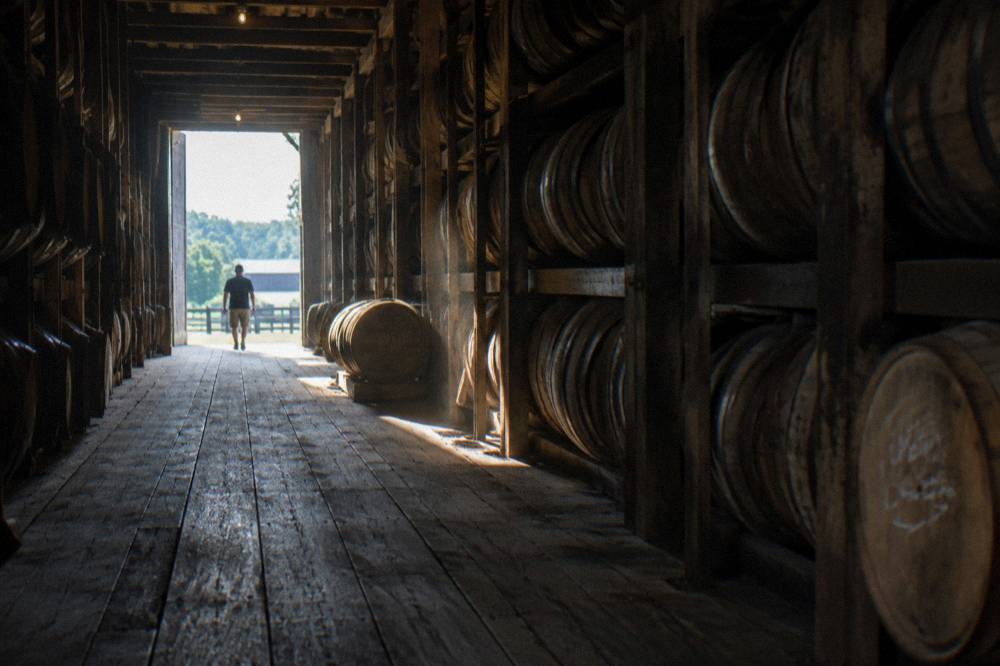
The table below lays out the three approaches against each other.
| Approach | What it involves | Best for | Main tradeoff |
|---|---|---|---|
| Build Your Own Bourbon Trail | Pick destinations from the official list, book each tour yourself, self-drive | Independent travelers with flexible dates | You manage all driving and reservations; rural rideshares are unreliable |
| Self-drive with a fixed plan | Book 2 to 3 distilleries in one region, drive between them | Couples, one- or two-day trips | Designated driver needed; open containers must stay unopened in the trunk |
| Guided day tour | One booking covers transport, route and often lunch | First-timers, non-drivers, short stays | Less choice of stops; set departure points and times |
For travelers who want the guided route, the featured full-day distillery tour from Louisville covers the decision in one move. It runs a customizable three-distillery day from $189 per person, holds a 4.3 rating from 680 reviews, includes hotel pickup from downtown Louisville, and is described on the tour page in full detail.
After that, the question stops being what the Trail is and becomes how to fit it into the days you have. The next section deals with the arithmetic of distances and distillery counts.
How Many Distilleries Can You Realistically Visit In One Day
The official guidance is no more than three distillery locations per day, with one region per trip, because participating destinations sit as close as a stone's throw or as far as 100 miles apart. Two or three well-booked distillery tours is a full and satisfying day; four is a race, and five is a blur.
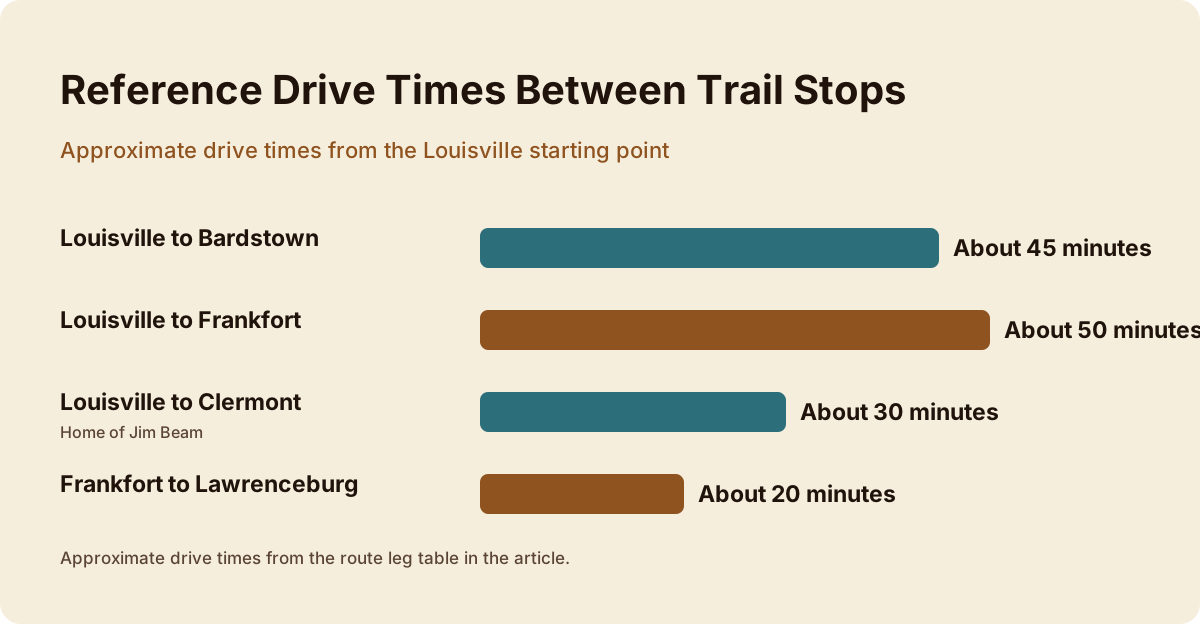
The arithmetic is unforgiving. A typical distillery tour runs about an hour to 90 minutes, but the day is built around drive time and check-in. Slot in the recommended early arrival at each stop, a lunch that is not eaten standing up, and a tasting that deserves attention, and three stops fill a day honestly. The reference drives below show why.
| Route leg | Approximate drive time |
|---|---|
| Louisville to Bardstown | About 45 minutes |
| Louisville to Frankfort | About 50 minutes |
| Louisville to Clermont, home of Jim Beam | About 30 minutes |
| Louisville to Lexington | About 75 to 80 minutes |
| Frankfort to Lawrenceburg | About 20 minutes |
| Bardstown to Loretto, home of Maker's Mark | About 35 to 40 minutes |
The region structure the program suggests keeps this manageable. A Frankfort day might pair Buffalo Trace in Frankfort with Four Roses in Lawrenceburg, about 20 minutes apart, plus Woodford Reserve near Versailles. A Bardstown day can reach Heaven Hill, Lux Row and James B. Beam within a short drive of each other. The deeper route planning, including which stops cluster well, is covered in the Kentucky Bourbon Trail itinerary guide, and the ambitious question of compressing the whole Trail into a single day gets its own treatment in can you do the Bourbon Trail in one day.
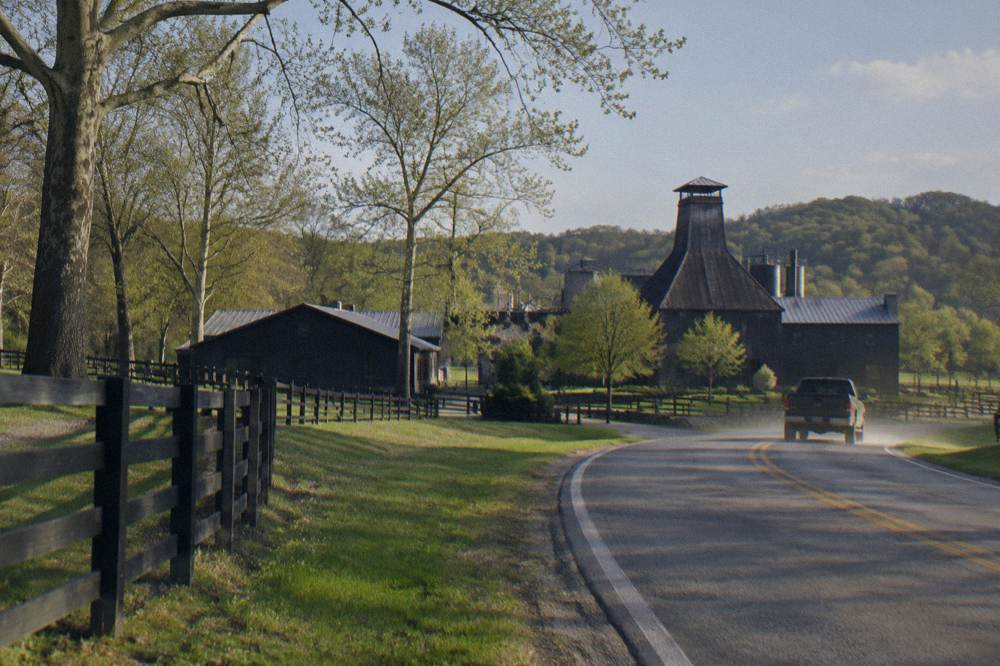
Two rules from Kentucky law shape a self-drive day. Ride-hailing apps work in Louisville and Lexington but, in the official program's own words, are "not in our more rural communities," so a return ride from Loretto or Clermont is not something to bet an evening on. And open containers in the passenger area of a vehicle are illegal under Kentucky statute; bottles bought at distilleries travel unopened, secured in the trunk.
Groups add one more constraint worth flagging early. The official FAQ notes that groups of 10 or more must arrange tours in advance with each distillery, so a bachelor party or family reunion cannot count on walk-in space. A private option sidesteps the problem entirely: a private Trail day for up to 8 people from $3,200 per group, lunch and private transportation included, handles the whole arrangement. The question of whether a guided tour is worth it at all is answered honestly in is the Kentucky Bourbon Trail worth it.
Do You Need A Guided Tour For The Bourbon Trail
No, a guided tour is not required; every participating distillery sells its own tours and tastings directly. But a guided bourbon tour is the practical choice for first-timers, non-drivers and anyone on a short stay, because it covers driving, routing and reservations in one booking from roughly $130 to $289 per person on this site's roster.
The self-guided route is genuinely viable for travelers who enjoy logistics. Buffalo Trace's tours and tastings in Frankfort are complimentary, offered seven days a week with reservations recommended, and Four Roses states there is no added cost to visit either of its visitor centers. Beyond those two, tour prices are set by each distillery and should be read on the distillery's own booking page rather than guessed at. The full rundown of free options lives in the guide to free distillery tours in Kentucky.
The guided route earns its premium in three places: the driver, the calendar and the pacing. A roster-quality example is the Bardstown day from Mint Julep Experiences covering James B. Beam, Heaven Hill and Lux Row, from $285 per person, rated 5.0 from 26 reviews, with a local lunch included and free cancellation. For a Buffalo Trace-centered day, the operator's 9.5-hour tour from $289 per person carries a 5.0 rating from 51 reviews and includes lunch. Both meet at the Mint Julep hub at the Omni in Louisville rather than offering hotel pickup, a detail worth checking before booking.
| Guided experience | Type | Price | Rating | Reviews |
|---|---|---|---|---|
| Buffalo Trace, Bulleit, Pappy & Co. and Rabbit Hole day | Full day, lunch included | From $289 per person | 5.0 | 51 |
| James B. Beam, Heaven Hill and Lux Row day | Full day, lunch included | From $285 per person | 5.0 | 26 |
| Bardstown Bourbon & Food Tour | 3-hour walk, all food included | From $130 per person | 5.0 | 23 |
| Evan Williams Bourbon Experience tour and tasting | 1-hour single-distillery visit | From $23 per person | 4.9 | 38 |
For travelers basing themselves in the city rather than driving out, Louisville also offers a compact version of the Trail experience. The NuLu walking bourbon and food pairing tour from Louisville Food Tours runs 3 hours at $209 per person, rated 4.9 from 186 reviews, and pairs a full dinner of small bites with bourbon and cocktails across the neighborhood's distillery outposts. It is a reminder that the Trail is not only countryside: the Urban Bourbon Trail in Louisville is covered in its own guide, and it is the natural fit for a trip built around bourbon tours in Louisville.
What Else Should A First-Time Visitor Know Before Going
Five things carry most of the practical weight: book distillery tours in advance because popular stops sell out weeks ahead, bring a government photo ID because tastings are 21 and over with scanned IDs, plan one region per day, secure purchased bottles unopened in the trunk, and start at the welcome center in Louisville if you want the official orientation.
The age and ID rule is enforced with technology, not a glance. Distillers authenticate IDs with scanning software, the drinking age in Kentucky is 21, and under-21 visitors are generally welcome on standard distillery tours but may not be permitted in tasting areas, with each distillery setting its own policy. The details, including how the rule plays out family by family, are in are people under 21 allowed on distillery tours.
Timing the trip is its own lever. September and October are the busiest months on the Trail, combining peak fall foliage in late October with the Kentucky Bourbon Festival in Bardstown and limited fall releases, so book earliest for that window. Weekdays, and Tuesdays or Wednesdays in particular, are the program's own suggested fallback when weekend calendars are full. The seasonal breakdown, including the spring window around the Kentucky Derby, is in the guide to the best time of year to visit the Kentucky Bourbon Trail.
One 2026 development worth knowing, reported carefully: Jim Beam paused distillation at its main Clermont facility for 2026 to allow site upgrades, according to reporting from December 2025, while the visitor center and The Kitchen Table restaurant remain open and other Beam facilities continue operating. It is a pause, not a closure, and the visitor experience continues; the specifics are tracked in the Jim Beam distillery tour guide. For the wider map of who is where, the Kentucky Bourbon Trail map guide arranges the destinations by region.
Where a first Trail trip is concerned, the honest summary is that the program got simpler and the visiting got more competitive at the same time. One list, no booklet, and a booking calendar that rewards planning. Travelers who want the full picture in one place can start with the homepage of Kentucky Distillery Tours and its tour picker, or go straight to the three entry points below.
Common Questions About The Kentucky Bourbon Trail
What Is The Kentucky Bourbon Trail, And What Changed With The Passport?
The Kentucky Bourbon Trail is a Kentucky Distillers' Association tourism program covering nearly 70 participating distillery destinations, with 2.7 million visitors in 2025. The Passport and Field Guide retired on July 1, 2025, and the Craft Tour merged into the single main Trail. There are no stamps, booklets or completion rewards now.
Is the Kentucky Bourbon Trail passport program still running?
No. The official FAQ states the Passport and Field Guide program officially retired on July 1, 2025, and outstanding completion benefits are no longer fulfilled. Travelers now plan visits using the official destination list and book distillery tours directly or through a guided tour.
How many distilleries are on the Kentucky Bourbon Trail?
The program's official wording describes nearly 70 participating distillery destinations stretching from Northern Kentucky to Western Kentucky. It began with 7 distilleries in 1999 and added 11 new destinations in 2025.
How many distilleries should you visit in one day?
The official guidance is no more than three distillery locations per day, with one region per trip. Destinations sit as close as a stone's throw or as far as 100 miles apart, so drive time and check-in windows fill the day quickly.
Can you do the Kentucky Bourbon Trail without a guided tour?
Yes. Every participating distillery sells its own tours and tastings directly, and advance online booking is highly recommended because popular stops can sell out 30, 60 or even 90 days ahead. A guided day tour is the simpler option for non-drivers and short stays, since it covers transport and reservations.
Where does the Kentucky Bourbon Trail start?
The official starting point is the Kentucky Bourbon Trail Welcome Center at 829 W Main Street in Louisville, on the first floor of the Frazier Kentucky History Museum, open since 2018. Louisville is the most common base city for a first Trail trip.