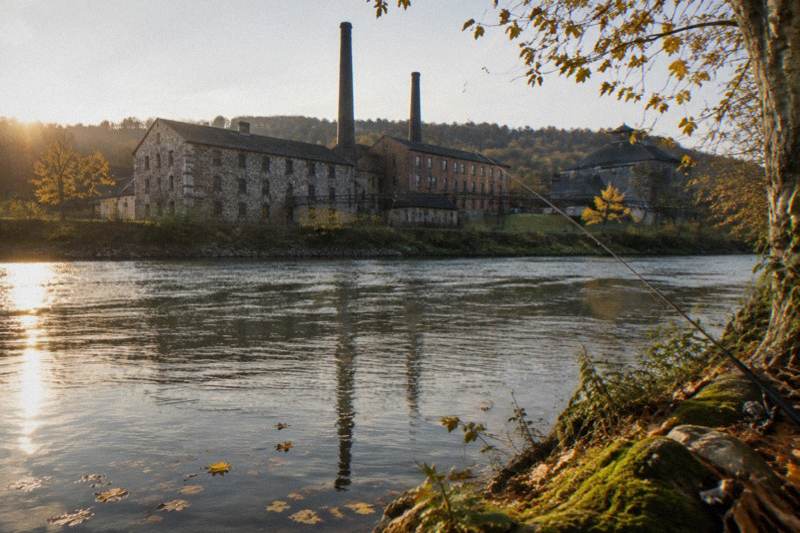
What Is The Holy Grail Of Bourbon?
Pappy Van Winkle is the bourbon most collectors call the holy grail. Here is why it is so scarce, where it is made in Kentucky, and which distillery tours actually get you near it.
What Is The Holy Grail Of Bourbon?
Pappy Van Winkle, the wheated Kentucky bourbon released each year in vanishingly small quantities, is the bottle most drinkers and collectors mean when they call something the holy grail of bourbon. It is produced at Buffalo Trace Distillery in Frankfort, roughly 50 minutes from Louisville, and demand has outstripped supply for years. The grail is not a single bottle so much as a hunt, and Kentucky is where the hunt physically begins.
The phrase gets used loosely. Some people apply it to any allocated bourbon, others specifically to the Van Winkle line: 10, 12, 15, 20 and 23 year expressions that surface in small batches each autumn and vanish within hours. What follows is the story behind the hype: why the Van Winkle name carries that weight, where the whiskey is actually made, and how a distillery tour in Kentucky can put you inside the building where it happens without promising you a bottle. Nobody can promise you a bottle, and any tour or seller who does is pitching you something else.
The hunt has a geography. Buffalo Trace sits in Frankfort, the Van Winkle family's own brand home, Pappy and Co., operates in Louisville, and the secondary mythology around the bottle spreads from there across the whole Bourbon Trail. A visitor who understands that triangle, the distillery, the family company and the trail itself, understands the grail better than most people standing in a lottery line.
Why Pappy Van Winkle Became The Grail
The Van Winkle name earned its status through scarcity, heritage and word of mouth rather than advertising: a wheated recipe, long age statements and annual releases far smaller than national demand, all tied to a family that has been in Kentucky whiskey since before Prohibition. No marketing campaign created Pappy's reputation; allocation did.
Julian Van Winkle II and his son Julian III kept the Old Rip Van Winkle label alive through decades when aged bourbon was commercially unfashionable. The family's wheated mashbill, which replaces rye with wheat as the flavor grain, produces a softer, rounder pour that ages gracefully, and the company held stock through years when bigger producers were dumping old barrels into blended products. When the market swung back toward aged whiskey, the Van Winkle shelf was one of the few places with genuinely old bourbon on it.
The reputation loop then closed. Magazines and chefs praised it, supply stayed tiny, and secondary prices climbed far past anything a distillery shelf ever charges. Scarcity became the story: a bottle you cannot buy is a bottle everyone wants. The Kentucky Distillers' Association, which owns the Bourbon Trail program, tracks a trail of nearly 70 participating distillery destinations drawing 2.7 million visitors in 2025, and a meaningful slice of those visitors arrive with Pappy somewhere on their minds.
Two cautions keep this honest. First, no verified public figure exists for how many Van Winkle bottles reach shelves each year, so treat any specific number you read online as folklore. Second, the phrase "holy grail" is crowd shorthand, not an official title; plenty of serious drinkers chase other allocated bourbons with equal devotion, and a later section covers them.
The cultural weight is real enough that the grail now shapes travel. People book distillery tours in Kentucky partly hoping to be in the right gift shop on the right morning, and the tour industry has adjusted. One Louisville operator, Mint Julep Experiences, runs a full day built explicitly around the name, and that tour is worth a close look later in this piece.
Wheated bourbon deserves a moment of explanation here, because it explains half the mystique. A traditional Kentucky mashbill uses corn plus rye as the secondary grain, which gives spice and bite. Swap the rye for wheat and the whiskey softens: rounder sweetness, gentler spice, and a character that many tasters think holds up better across long aging. That is why the wheated family, Van Winkle, Weller, and historically Maker's Mark, draws a particular kind of devotion. The grail hunters are often wheated-bourbon people first, and the 15, 20 and 23 year Van Winkle expressions are the top of that particular mountain.
Where Pappy Van Winkle Is Made In Kentucky
Pappy Van Winkle is distilled and aged at Buffalo Trace Distillery in Frankfort, under a long-running partnership between the Van Winkle family and the Sazerac-owned distillery. The whiskey shares campus, stills and warehouses with Buffalo Trace's own labels; there is no separate Pappy factory to visit.
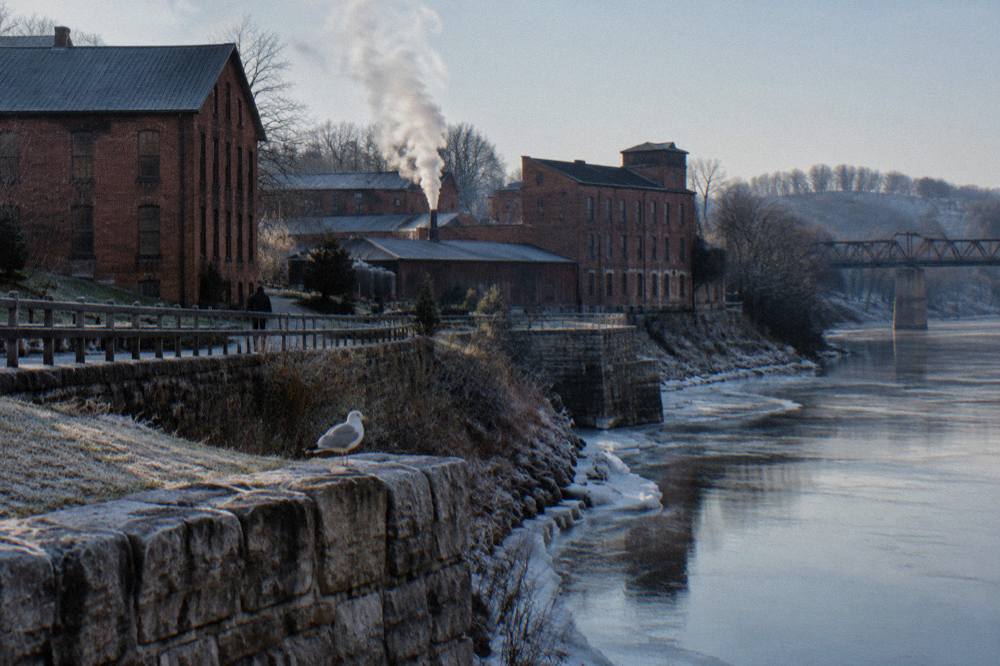
That single sentence rearranges most people's mental map. There is no Pappy Van Winkle distillery tour because there is no separate Pappy Van Winkle distillery. The Van Winkle whiskeys are produced at Buffalo Trace, a National Historic Landmark campus on the Kentucky River that also makes Buffalo Trace, Eagle Rare, Blanton's, W.L. Weller and other labels. Wheated Van Winkle stock matures in the same rackhouses as everything else on the property.
The family connection lives on in Louisville. Pappy and Co., run by the Van Winkle family, operates on Louisville's Whiskey Row, and it is that storefront, not a production site, that several guided bourbon tours include as a stop. So the honest geography of the grail is: production in Frankfort, family brand home in Louisville, mythology everywhere.
For trip planning, the distances matter. Frankfort sits about 50 minutes from Louisville by car, Lawrenceburg is roughly 20 minutes from Frankfort, and Bardstown is about an hour from Frankfort. A traveler based in Louisville can reach the grail's production home on a morning drive or, more comfortably, on one of the guided day tours that handles the driving, which matters once tastings are involved. Kentucky's open container law, KRS 189.530, requires that any bottles you buy travel unopened and secured away from the passenger area, and the state's DUI per se limit is 0.08 percent under KRS 189A.010.
Should you drive it yourself? You can: parking at Buffalo Trace is available and the campus welcomes visitors. But ride services that work well in Louisville thin out in rural Kentucky, and the trail's own transportation guidance notes that rideshare coverage is unreliable outside the larger cities. For a day built around Buffalo Trace plus a second or third stop, a tour with transportation is the lower-stress structure, and the Mint Julep day that pairs Buffalo Trace with Pappy and Co. covers both ends of the grail's geography in one itinerary. Free cancellation is offered on that listing, and the day costs from $289 per person with a local lunch included.
Can You Tour Buffalo Trace Distillery In Frankfort?
Yes, and here is the remarkable part: Buffalo Trace's own guided tours and tastings are complimentary, seven days a week, according to the distillery's official visit page. The Trace Tour runs 75 minutes, the Old Taylor Tour runs 75 minutes, and the Hard Hat production tour goes behind the scenes; reservations are recommended and walk-up spots are limited each day.
This is the best value on the entire Bourbon Trail, and it happens to sit at the exact address where the holy grail is made. Reservation slots are released weekly on Wednesdays at 10 a.m. Eastern, with the calendar opening up to eight weeks ahead, and peak-season Saturdays go quickly. The distillery advises arriving 20 to 30 minutes early, and a government ID is required for tastings, which are restricted to visitors 21 and over.
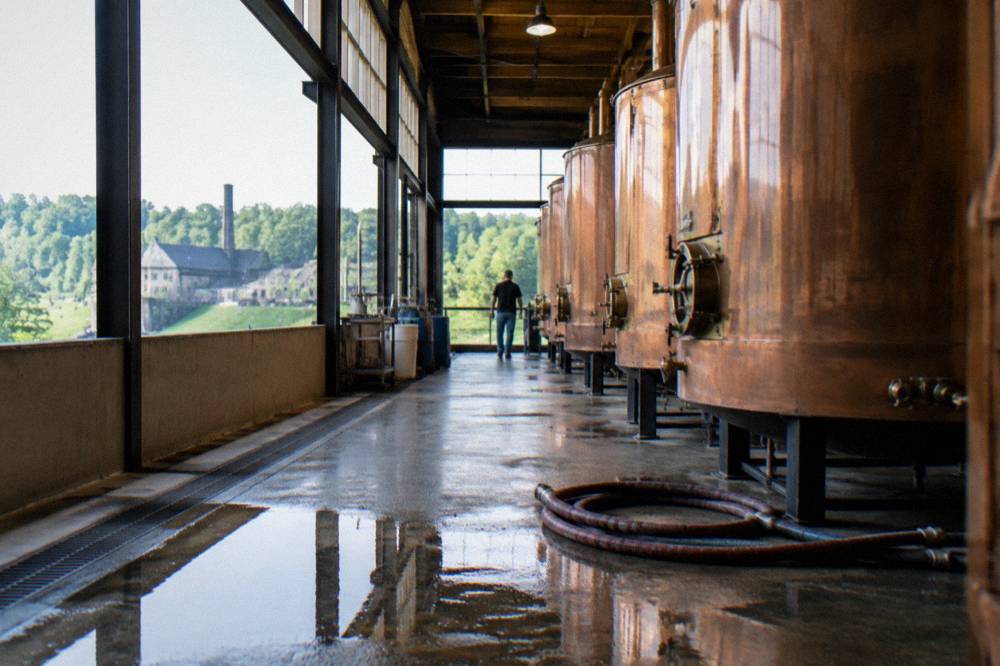
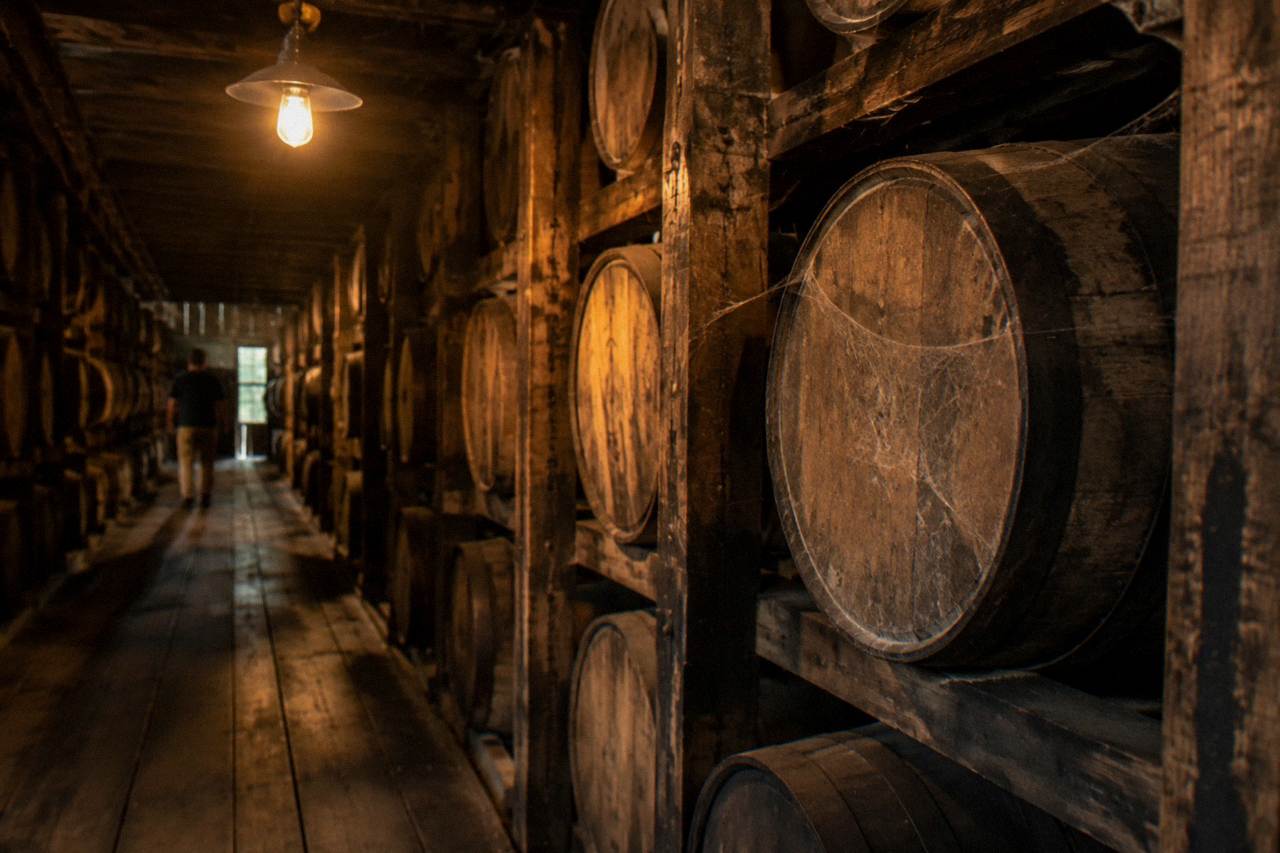
What a tour gives you is the real thing: the stills, the fermenters, the rackhouses where Van Winkle and Weller stock sleeps. What it does not give you is a bottle guarantee. The gift shop's allocated shelves operate on the distillery's own terms, and no tour ticket changes that. Visitors hoping to see the words "Van Winkle" over a register should treat it as a bonus, not an itinerary.
For readers comparing the options in one place, this table lines up the ways to see the grail's home campus:
| Way to visit Buffalo Trace | What it costs | What you get | Best for |
|---|---|---|---|
| Direct booking on the distillery's own site | Complimentary tours and tastings | 75 to 105 minute guided experiences, walk-in shopping and tastings subject to space | Independent travelers who book early |
| Louisville day tour including Buffalo Trace | From $180 to $289 per person depending on operator | Transport, guide, usually lunch and two to three distillery stops | Visitors who want to taste, not drive |
| Walk-up visit, no reservation | Free to browse | Campus, gift shop and limited walk-up tasting space | Flexible schedules on weekdays |
The distillery closes on Easter, Thanksgiving, Christmas Eve, Christmas Day and New Year's Day, and holiday weeks fill fast. Anyone planning a fall trip should read the booking-window advice in how far in advance to book the Bourbon Trail before locking dates.
A timing note belongs here too. The trail's own guidance says tours and tastings can sell out 30, 60 or even 90 days in advance at popular stops, and that advance booking windows often run 6 to 12 weeks. Tuesday and Wednesday visits may still have availability when weekends are gone. September and October are the busiest months on the trail, coinciding with fall foliage, the Kentucky Bourbon Festival in Bardstown and autumn limited releases, so a grail-season trip booked in summer has far better odds than one booked two weeks out.
Which Other Bourbons Share Grail Status?
Serious collectors spread the grail label across a family of scarce Kentucky releases: the Van Winkle line itself, the W.L. Weller wheated bourbons made on the same campus, and Buffalo Trace's Antique Collection, all allocated in tiny numbers. Which one tops the list is a bar argument, but all of them trace back to a handful of Frankfort rackhouses.
W.L. Weller is the practical grail. It shares the wheated recipe profile with Van Winkle at a younger age and lower shelf price, which is exactly why it too disappears from shelves. The Buffalo Trace Antique Collection, a set of annual limited releases including George T. Stagg and William Larue Weller, is the other name that comes up constantly in grail conversations. Its exact 2026 release timing has not been confirmed in any verified source, so treat any date you see advertised with suspicion.
Beyond Frankfort, scarcity has its own outposts. Four Roses releases a limited edition small batch each fall, and the 2026 edition was announced for October 10 at a $249 suggested retail price, though that price comes from bourbon media rather than an official page. Maker's Mark, Woodford Reserve and Heaven Hill all have devoted followings, but their core bottles stay on shelves; grail status specifically attaches to the things you cannot reliably buy.
One warning belongs here because it protects travelers: allocated bourbon attracts counterfeiters and inflated resellers. A "Pappy" bottle offered online at a steep markup, or by anyone at a gas station or parking lot, is a bet, not a purchase. Kentucky's drinking age of 21 under KRS 244.085 applies everywhere, distilleries scan IDs at tastings, and bottles bought legitimately should travel unopened in the trunk under the state's open container law.
Bourbon Tours That Chase The Grail From Louisville
Several guided bourbon tours from Louisville build a full day around the grail's geography, pairing Buffalo Trace with Pappy and Co. or other Frankfort-area stops, with prices from $180 to $289 per person and durations of roughly 8 to 12 hours. The best fit depends on whether you want a small group, a lunch included, or the widest choice of distilleries.
The tour most directly aimed at this question is the Mint Julep day that the whole article keeps circling back to. Its full name on the listing is Buffalo Trace, Bulleit, Pappy and Co. and Rabbit Hole Bourbon Tour, and the itinerary is exactly what a grail hunter wants: the complimentary Buffalo Trace campus in Frankfort, a stop at Pappy and Co. in Louisville, and two more Kentucky producers in between. It runs 9 hours 30 minutes from the Mint Julep hub at the Omni Hotel, carries a 5.0 rating from 51 reviews, includes a local lunch with a fixed menu, and costs from $289 per person. You can Check availability alongside the longer Buffalo Trace distillery tour guide on this site.
Travelers who want maximum choice over stops have a second structure. The Pick 3 Distilleries full-day tour from Bourbon Experience lets you build the day from Buffalo Trace, Woodford, Four Roses, Wild Turkey and others, runs from $189 per person, and carries a 4.3 rating from 680 reviews, one of the larger review pools on the roster. A four-distillery multilingual variant from the same operator runs 8 to 12 hours from $180 per person. Neither includes lunch the way the Mint Julep day does, and both meet at downtown Louisville hotels rather than offering full hotel pickup everywhere, so read the meeting details on the live listing.
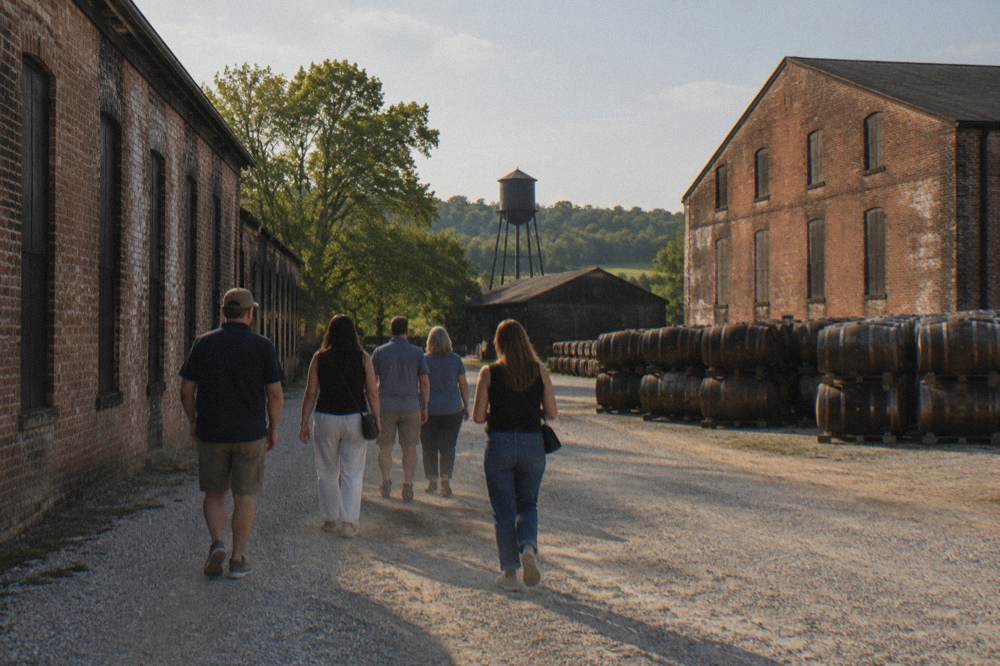
Here is how the three grail-adjacent days stack up:
| Tour | Length | From (per person) | Rating | Grail angle |
|---|---|---|---|---|
| Buffalo Trace, Bulleit, Pappy and Co. and Rabbit Hole (Mint Julep) | 9 hours 30 minutes | $289 | 5.0 from 51 reviews | Visits both Buffalo Trace and Pappy and Co. |
| Pick 3 Distilleries Full Day (Bourbon Experience) | Full day, customizable | $189 | 4.3 from 680 reviews | Choose Buffalo Trace plus two others |
| Four-Distillery Pick, Multilingual (Bourbon Experience) | 8 to 12 hours | $180 | 3.9 from 19 reviews | Buffalo Trace among the pickable stops |
A note on expectations, because honesty sells better here than hype: none of these tours guarantees allocated bottles, and any guide who promises a Pappy sighting is improvising. What a tour guarantees is the campus, the story, the production floor and the tasting, plus a driver so you can actually enjoy the tasting. For many visitors that combination turns an impossible hunt into a great day, which is the honest version of finding the grail.
Planning A Grail Trip Without The Heartbreak
A realistic Kentucky grail trip plans for the experience rather than the bottle: book Buffalo Trace reservations eight weeks out, pick one region, cap the day at three distilleries, and let any allocated sighting be a bonus. Travelers who build the trip around what is guaranteed, the free tours, the campus and the tastings, come home with better stories than those chasing shelf lottery.
The trail's own planning advice is blunt and worth repeating: no more than three distillery locations per day, one region per trip, and groups of 10 or more must arrange tours in advance. Distilleries on the trail sit as close as a stone's throw from one another or as far as 100 miles apart, so a Louisville-base trip covering Frankfort and Lawrenceburg makes a coherent single-region plan, while mixing Bardstown and Lexington into the same day does not. The passport program that once rewarded completing stops retired on July 1, 2025, which arguably improves the trip: there is nothing to check off anymore, only the whiskey in the glass and the rackhouse you are standing in.
Budget the honest way. A complimentary Buffalo Trace tour costs nothing but a reservation. A guided Louisville day tour runs from $180 to $289 per person with transport and, on some departures, lunch. Distillery tasting fees at stops beyond Buffalo Trace vary and are printed on each distillery's booking page, so check before assuming. For travelers weighing whether the whole pursuit justifies the spend, the site's cost breakdown in how much it costs to do the Bourbon Trail in Kentucky runs the numbers across tour tiers, tasting fees and lodging. And if you would rather plan the trip around the region than the bottle, Kentucky Distillery Tours exists precisely to sort those choices.
The last piece of practical advice is about bottles you do find. Under TSA rules, checked baggage may carry up to 5 liters of spirits between 24 and 70 percent alcohol in unopened retail packaging, which covers standard bourbon proofs; carry-on bottles are limited to travel-size containers. On the road in Kentucky, keep purchases sealed and stowed away from the passenger area as KRS 189.530 requires. The grail, if you are lucky enough to find one, deserves a legal ride home. If you would rather mail bottles home than fly with them, our guide to flying bourbon home and shipping it covers what the rules actually allow.
Common Questions About The Holy Grail Of Bourbon
What Is The Holy Grail Of Bourbon?
Most drinkers mean Pappy Van Winkle, the wheated Kentucky bourbon made at Buffalo Trace Distillery in Frankfort and released each year in quantities far below demand. The label spans 10 to 23 year age statements and is produced under a partnership between the Van Winkle family and Buffalo Trace.
Can you buy Pappy Van Winkle at the distillery?
Not reliably. Buffalo Trace's gift shop occasionally has scarce bottles, but there is no guarantee and no tour ticket changes that. Treat any sighting as luck; the distillery's complimentary tours and tastings are the sure thing.
Why is Pappy Van Winkle so hard to find?
Demand has outgrown supply for years. The whiskey carries long age statements that take decades to produce, the Van Winkle family partnership releases small annual quantities, and the bottle's reputation keeps demand rising faster than the aging stock.
Is W.L. Weller the same whiskey as Pappy?
Both are wheated bourbons made at Buffalo Trace, so they share a production home and a recipe style, but they are distinct labels with different age statements and profiles. Weller is often called the accessible cousin of the grail, and it too is allocated.
Which tours visit where Pappy is made?
Any tour that includes Buffalo Trace in Frankfort covers the production home. The Mint Julep day from Louisville adds a stop at Pappy and Co., the Van Winkle family's own place, making it the closest thing to a dedicated grail tour from the city.
Do you have to be 21 to chase the grail?
For tastings, yes. Kentucky law sets the drinking age at 21, distilleries scan IDs, and under-21 visitors are generally welcome on standard tour routes but may not enter tasting areas. Each distillery sets its own policy, so check before booking.