Is Jim Beam Closing Its Distillery? What It Means For Your Tour
Jim Beam paused distillation at its Clermont facility for 2026, but the distillery is not closing. Here is what is running, what is paused, and what it means for a Kentucky tour.
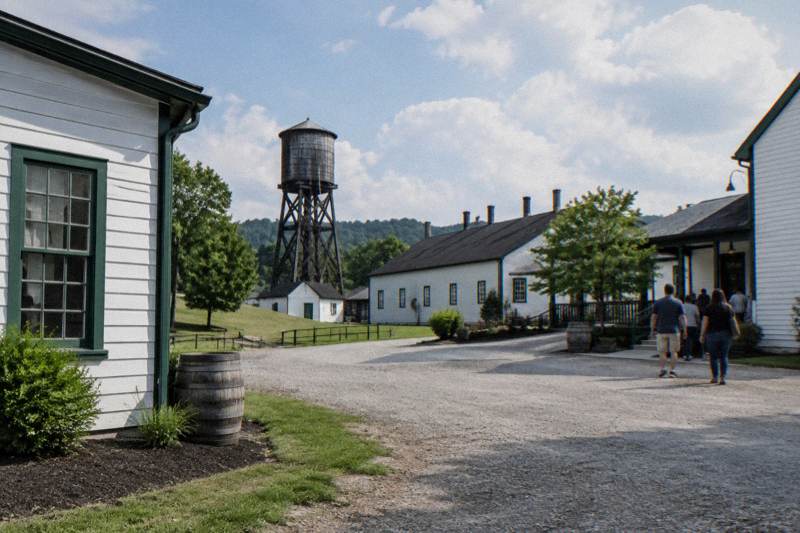
Jim Beam is not closing its Kentucky distillery. In December 2025, Louisville news station WDRB reported that the company would pause distillation at its main Clermont facility for the whole of 2026 to allow site upgrades and to adjust production to demand. Bottling and warehousing continue on the campus, the visitor center stays open, and The Kitchen Table restaurant keeps serving. One honest caveat belongs here: the pause has not been confirmed on an official Beam page, so this article reports it as news reporting rather than as a company announcement. Since the visitor experience continues during the pause, our guide to whether the Jim Beam distillery tour is worth it explains exactly what you'll still get to see and taste on campus.
The distinction matters a great deal for anyone planning a bourbon tour. A production pause is an internal manufacturing decision. It is not a closure, and it does not remove a single thing a visitor does on the Clermont campus. Below is a close look at what changed, what did not, and how the pause fits into a Kentucky Bourbon Trail trip in practice.
Is Jim Beam Closing Its Distillery? What It Means For Your Tour
No. Jim Beam is not closing its Clermont distillery, and no closure has been announced by anyone. What was announced, according to WDRB reporting from December 2025, is a one-year pause of distillation at the main Clermont facility during 2026, while bottling, warehousing, the visitor center, the distillery tour and The Kitchen Table restaurant all continue operating. Travelers should treat it as a production decision, not a shutdown.
The rumor travels faster than the reporting, which is understandable. A headline about a paused still at one of the world's biggest bourbon producers gets compressed into "Beam is shutting down" by the time it reaches a forum thread. The underlying story is narrower and less dramatic. Demand planning and facility work are ordinary reasons a large distiller takes equipment offline, and the reporting specifically noted that no layoffs were announced at the time.
For a tour planner, the practical question is simpler: can you still visit, taste and see the campus? Every signal says yes. Beam's own visit page continues to list the Clermont campus, its tour and tasting, and its on-site dining. The Fred B. Noe craft distillery on the same Clermont site and the Booker Noe facility in Boston were both reported to keep distilling, so visitors may still see active production nearby even while the main stills sit idle.
That means a bourbon tour through Beam country in 2026 is still a full day out. If anything, the pause is a reason to go sooner rather than later: watching a campus mid-renovation is its own piece of bourbon history, and the campus experience is unchanged on the visitor side. Ask anyone who has visited a distillery during a major investment whether the trip felt diminished, and the answer is almost always no, because the parts people remember are the barrels, the stories and the tasting glass, none of which depend on a still running that morning.
There is also a simple logic check that settles most of the anxiety. Beam is one of the largest bourbon brands on earth, sold in markets far beyond Kentucky. A company does not walk away from a business like that, and a one-year maintenance pause is the kind of thing large industrial sites do routinely. The stills stopping for scheduled work is a sign of investment in the campus, not abandonment of it. That reading matches every detail in the reporting: continuing bottling, continuing warehousing, an open restaurant, and workers reassigned rather than let go.
If you are now weighing how to spend a distillery day in Kentucky, these three options cover the main ways to do it:
What Exactly Is Paused At The Clermont Facility In 2026?
The pause covers distillation only, at the main Clermont facility, for calendar year 2026. Bottling and warehousing reportedly continue, the visitor center remains open, The Kitchen Table restaurant keeps serving, and the on-site craft distillery named for Fred B. Noe continues to run, as does the Booker Noe facility in Boston. No closure of any Beam visitor experience has been reported. If you're still planning a visit around the pause, our guide to touring the Jim Beam distillery in Clermont covers what to expect, age rules, and how to fold the stop into a bourbon trail day.
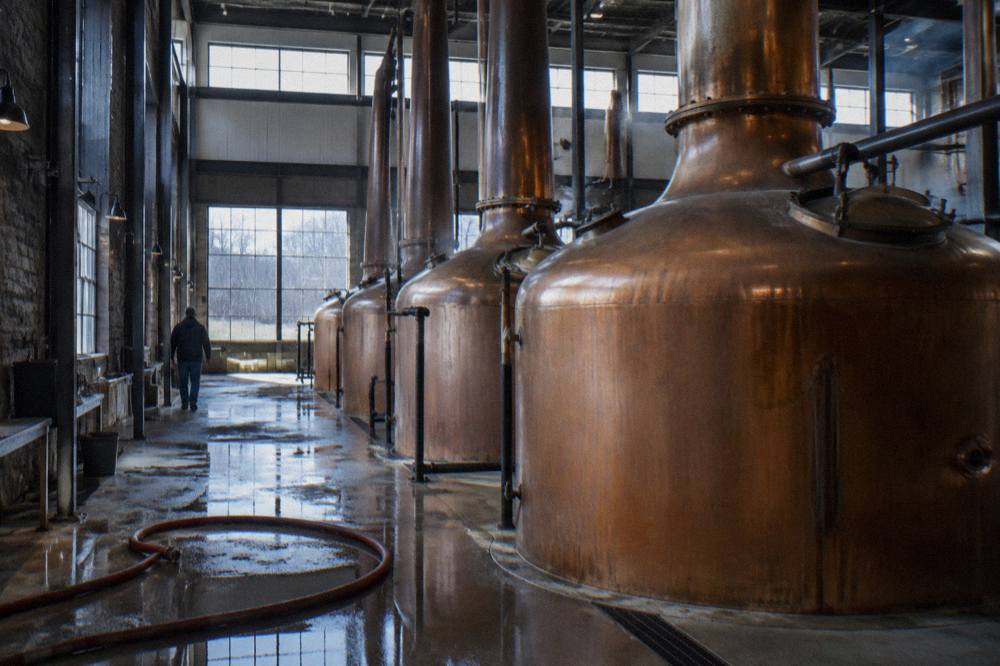
It helps to separate the moving parts of a campus like Clermont. Distillation is the front end: cooking grain, fermenting and running stills to make new make spirit. Maturation is the middle: warehousing barrels for years. Bottling and visitor operations are the back end. A pause can stop the front end without touching the rest, and that is exactly what the reporting describes. Bourbon already maturing in Beam's rackhouses keeps aging regardless, because time in the barrel needs no still.
| Part of the Clermont operation | Status for 2026 | What it means for visitors |
|---|---|---|
| Distillation at the main facility | Paused for 2026, per WDRB reporting | Some production areas may be quieter than usual |
| Bottling and warehousing | Reported to continue | Maturation and bottling sightseeing unaffected in principle |
| Visitor center and gift shop | Open | Full access, no change |
| Distillery tour and tasting | Running | Tour length and format per the booking page |
| The Kitchen Table restaurant | Open | Dining available on site |
| Fred B. Noe craft distillery (Clermont) | Reported to continue distilling | Active small-scale production nearby |
| Booker Noe facility (Boston) | Reported to continue distilling | Production continues in the Beam family of sites |
One caution on sourcing. The pause was reported by WDRB in December 2025 and echoed by other outlets, but Beam's own pages have not confirmed it in the terms above. The visitor-facing facts, that the campus, tour and restaurant are open, come straight from Beam's own visit information, which is the part your trip actually depends on. This article says the "not confirmed officially" part once, here, and then moves on to what you can book.
It is worth being precise about what a visitor might notice differently. The tour route, the tasting pours, the gift shop shelves and the restaurant menu draw on none of the paused activity in real time. What a guest could conceivably notice is quieter pipe galleries or equipment areas behind glass, or a campus with more contractor vehicles than usual. Even that is speculation about how the work manifests; nothing in the reporting describes any change to the visitor route. Anyone who tells you the tour is "not the same in 2026" is guessing, because the tour remains bookable and nobody has reported a changed itinerary.
For travelers who want a distillery day built around Beam country without depending on any single site's calendar, a guided day tour handles the logistics.
Is The Jim Beam Distillery Tour Still Worth Taking?
Yes, based on everything that is actually running. The Clermont tour and tasting continues, the campus, gift shop, restaurant and outdoor spaces are open without a tour reservation, and the drive from Louisville is about 30 minutes. The tour runs roughly 1.25 hours per Beam's visit page, and the price is on the distillery's booking page rather than in any verified figure here.
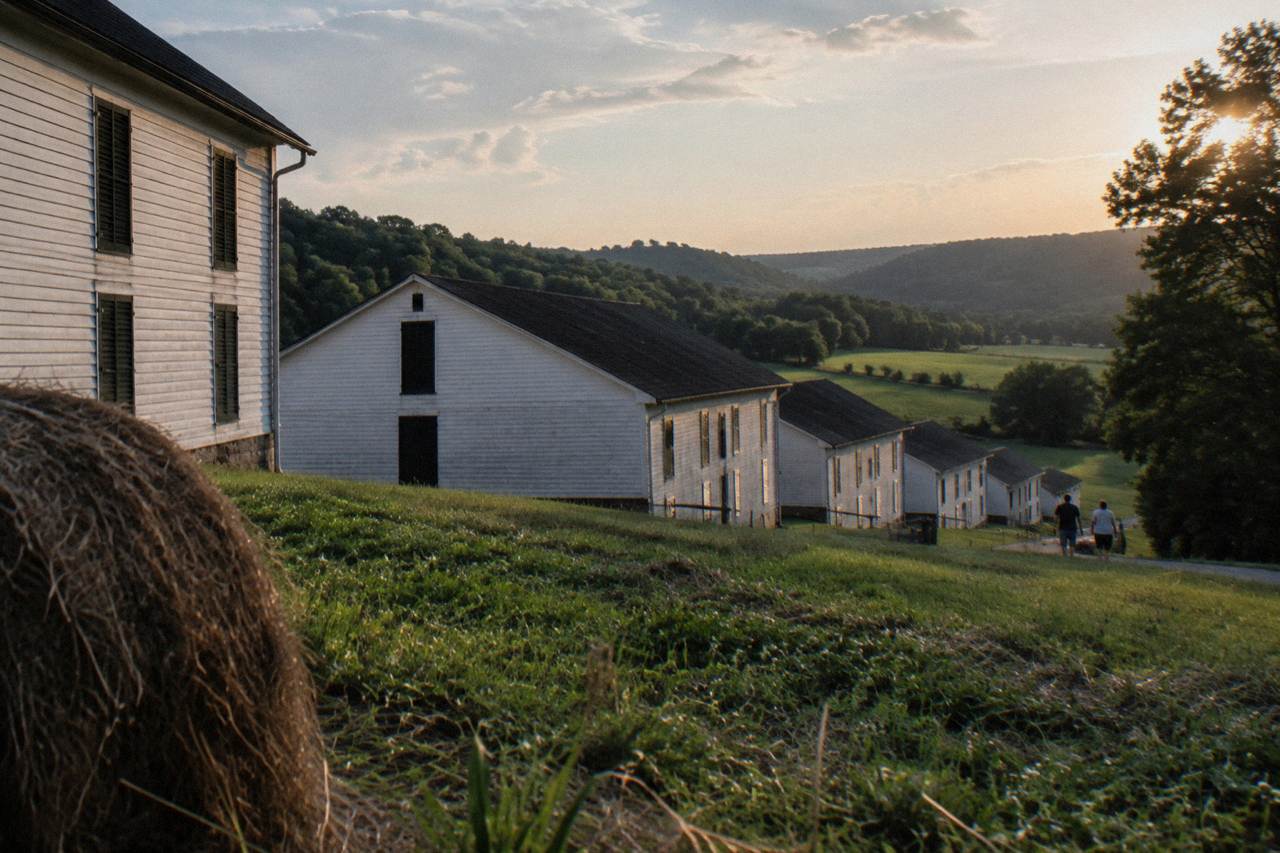
The honest framing is that nobody can yet report how the pause changes what you see inside the tour itself. If a stretch of the walkthrough normally passes operating stills, that stretch may look different in 2026. Beam's campus still carries plenty that no pause touches: the rackhouses, the heritage story, the tasting room, and a visitor center that sits about 30 minutes south of Louisville, which makes it one of the easiest big-name stops on the whole trail.
Booking mechanics matter more than usual in a year with this much attention on the site. Beam's own guidance says to arrive at least 30 minutes early, that tasting experiences are 21 and over with valid ID, and that the gift shop, restaurant and outdoor spaces welcome visitors without a tour reservation. Reservations are strongly advised. The Kentucky Bourbon Trail's own advice is blunter: tours and tastings at popular distilleries can sell out 30, 60 or even 90 days in advance, and showing up without booking is highly discouraged.
The value calculation also depends on what you compare it against. Clermont is one of the closest marquee distilleries to downtown Louisville, so it costs the least travel time of almost any big name on the trail. A visitor with a free morning can drive out, take the roughly 1.25 hour tour and tasting, eat at The Kitchen Table, and be back in the city for an evening on Whiskey Row. Few other distillery visits pack that tightly. The trade is that the site is a modern, high-volume campus rather than a scenic horse-country stop, so visitors chasing limestone buildings and rolling paddocks may prefer Woodford Reserve near Lexington, which the site's Woodford Reserve distillery tours guide covers separately.
If the Beam calendar looks tight, the workaround is to build the day around the region rather than the one campus. Clermont sits close to Bardstown, roughly a 45 minute drive from Louisville, and a loop that pairs Beam with Bardstown's distilleries gives you a full day even if one booking is awkward. The site's Jim Beam distillery tour guide covers the visit in detail, and Is the Jim Beam distillery tour worth it? works through the value judgment.
Which Other Beam Facilities Keep Making Bourbon?
Two Beam sites were reported to keep distilling through the pause: the Fred B. Noe craft distillery on the Clermont campus itself, and the Booker Noe facility in Boston. Beam's wider portfolio also includes other production locations beyond the paused Clermont stills, so "Beam stops making bourbon in 2026" would be false in every reading of the reporting.
The craft distillery detail is the one most travelers miss. Fred B. Noe's small-batch facility sits on the same Clermont grounds visitors tour, which means a 2026 visit can still include the sight and smell of active distillation without leaving the campus. Booker Noe, in the small town of Boston, is a production facility rather than a visitor attraction, but it keeps the family's distilling tradition running while the main stills wait.
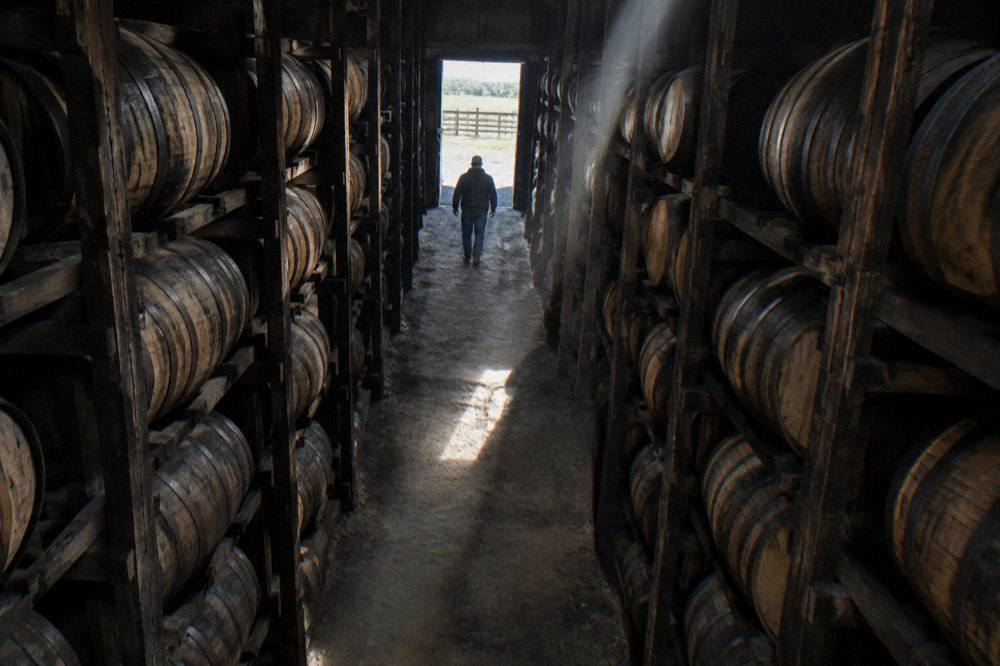
There is a deeper point about bourbon supply that calms most fears. Bourbon is aged by law in new charred oak, and Beam's warehouses hold years of production already in the pipeline. A one-year pause at one facility tightens nothing on shelves this year, because the bottle you buy in 2026 was distilled years ago. The pause is a capacity decision about the future, not a recall of the present.
The math of maturation deserves a beat of its own, because it explains why a distiller can pause at all. A bottle of standard Beam carrying an age statement in the four to seven year range was made during the previous decade. White Label, the volume driver, draws on a stockpile built across many seasons of distilling. Pausing the front end of that system for twelve months shaves a slice off a pipeline measured in years, which is exactly the kind of adjustment a company makes when warehouses are full and demand flattens. Visitors sometimes worry that a pause means shortages or a change to what is poured in the tasting room; neither follows from the reporting, and the tasting room continues to serve the same portfolio.
For a fuller picture of what a Beam visit includes, the official Jim Beam visit page lists current experiences, arrival rules and campus details, and it is the page to re-check before you travel since reporting about 2026 operations may be overtaken by announcements at any time.
Does The Pause Change The Kentucky Bourbon Trail Experience?
Not in any way a visitor can currently measure. The trail itself welcomed 2.7 million visitors in 2025, the Clermont visitor experience remains bookable, and the trail's official planning advice, no more than three distillery locations per day, is unchanged. The pause affects one production facility's stills, while the trail experience runs on visitor centers, tours, tastings and driving routes that are all intact.
The scale of the trail is worth keeping in mind when one headline feels seismic. The Kentucky Bourbon Trail began with 7 distilleries and now counts nearly 70 participating distillery destinations, adding 11 new destinations in 2025 alone. Even in the unlikely event that a single campus cut visitor hours, the trail offers dozens of alternatives within an hour or two of Clermont.
One retirement deserves a mention because Beam visitors ask about it. The old passport program, where travelers collected stamps, ended on July 1, 2025, and the Craft Tour merged into the single Kentucky Bourbon Trail. Nobody should plan a 2026 trip around collecting stamps or a completion reward, at Beam or anywhere else. The Kentucky Bourbon Trail FAQ states the retirement plainly.
The three-per-day planning limit also shapes how a rumor like this should affect an itinerary. The trail's official advice is no more than three distillery locations per day, one region per trip, because the destinations sit as close as a stone's throw or as far as 100 miles apart. Within that frame, Beam is one stop among three, typically paired with neighbors in the Bardstown corridor. Losing nothing from the other two stops means a Beam day loses almost nothing in total, and in practice the visit remains fully bookable anyway, so even the theoretical loss does not apply.
A practical alternative to tracking any single distillery's news is to let a guided tour operator absorb the risk. Operators watch calendars, reroute when a stop changes, and carry the driving. One strong fit for Beam country is the luxury van full day bourbon tour from the Galt House, which includes lunch and runs with a group capped at 10.
What Should You Know Before Booking A Beam Visit In 2026?
Book online well ahead, arrive at least 30 minutes early, bring government-issued photo ID for the 21-plus tasting, and expect the campus, gift shop and restaurant to be open even without a tour slot. The tour lasts about 1.25 hours, the drive from Louisville is about 30 minutes, and anyone under 21 cannot join tastings, though the campus itself welcomes families.
The ID point trips up more groups than anything else. Kentucky's drinking age is 21 under state law, and distillers authenticate IDs with scanning software rather than a glance. Beam's page is explicit that minors cannot join tastings, while the gift shop, restaurant and outdoor spaces remain open to all visitors. A family can therefore visit the campus together; the tasting room is simply off limits to anyone under 21.
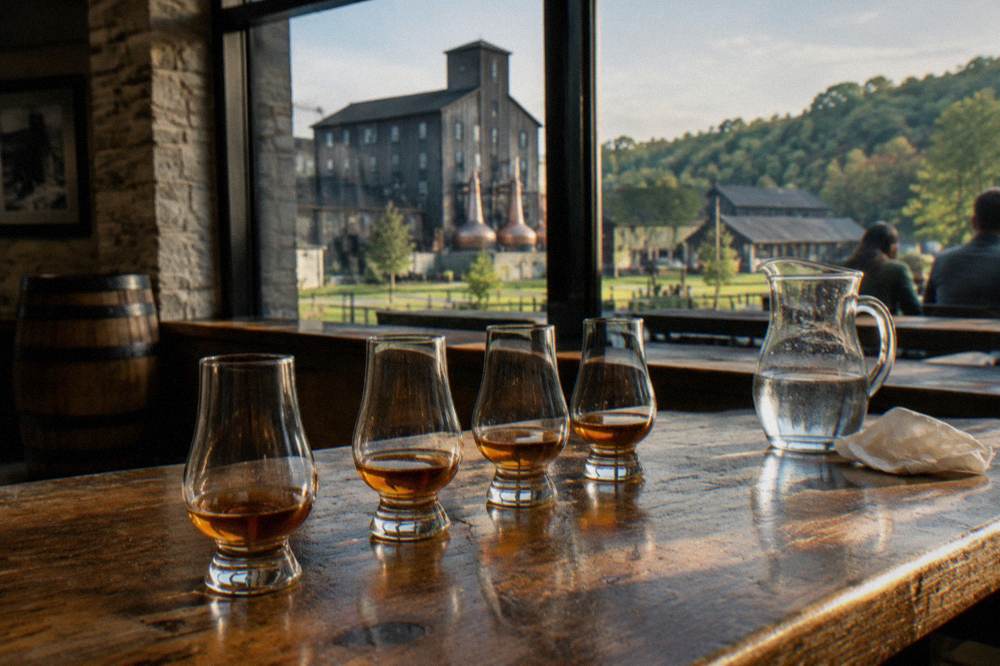
Timing around 2026 crowds deserves real thought. Fall is the busiest corridor on the trail, with festivals and limited releases packing September and October, and the trail's own guidance notes that Tuesday or Wednesday visits may still have availability when weekends are gone. Anyone set on a weekend Beam visit in peak season should treat 6 to 12 weeks ahead as the normal booking window, not a precaution. Groups of 10 or more must arrange tours in advance at every trail stop, which is official trail policy rather than a Beam-specific rule, so large parties need even more lead time.
Getting home safely is the other half of the plan. Kentucky's open container law prohibits open bottles in the passenger area of a vehicle, so bottle purchases belong unopened in the trunk, and the state's per se DUI limit is 0.08 percent. Ride apps work in Louisville but are unreliable in rural Clermont, which is precisely why the trail's transportation guidance points rural travelers to pre-booked partners and designated drivers instead. A visitor who tastes through a flight of Beam's portfolio and then faces a 30 minute drive back to the city without a driver has planned the day backwards. Decide the transport before the tasting, not after.
For a private group that wants Beam country without any calendar stress, the private small-batch distillery tour picks up at your address, runs 10 hours for up to 6 guests at $1,250 per group, and carries a 5.0 rating from 142 reviews.
How Do Guided Bourbon Tours Handle Beam Country?
Guided tours keep Beam country fully on the menu. The Bardstown day tour from Mint Julep Experiences pairs James B. Beam with Heaven Hill and Lux Row in about 9 hours, from $285 per person with lunch and transport included, rated 5.0 from 26 reviews. A guide handles the driving between rural sites, which matters because ride apps are unreliable outside Louisville and Lexington.
That Beam-and-Heaven-Hill pairing is a good example of how a tour derisks a rumor year. If one stop's schedule shifts, the day still delivers two other distilleries, a fixed-menu local lunch and a seat on a bus instead of a steering wheel. The tour meets at the Mint Julep hub in the Falls City Market at the Omni Hotel in Louisville, with free cancellation, and caps groups at 22.
Use the comparison above to see exactly what each tour day includes before you book. The Bardstown bourbon tours guide lays out the full range of ways to visit the region Beam sits beside, from walking food tours to full distillery days, and the Bourbon Trail itinerary guide shows where a Beam stop fits inside a multi-day route through the region.
The contrast option is worth naming too. The pick-three full day tour from Bourbon Experience, from $189 per person with hotel pickup from downtown Louisville and a 4.3 rating from 680 reviews, lets a group choose its own three stops from a list that includes Beam-adjacent names like Buffalo Trace and Four Roses. Flexibility is its own hedge against any single distillery's 2026 calendar. A third shape of day exists for visitors staying in Bardstown itself: the Heaven Hill warehouse tour with tasting, at $35 per person for 90 minutes, rated 4.4 from 19 reviews, puts you inside a working bonded rackhouse in the town Beam sits beside, no driving between stops required.
Whichever shape you choose, the underlying answer to this article's question does not change. The stills at Clermont are quiet for a year of maintenance and market math. The campus, the tour, the tasting and the town around it are open, and the trail that carries 2.7 million visitors a year is running exactly as it did before the headline.
Here are the three ways to spend a Beam country day, one more time for comparison:
Common Questions About Jim Beam Distillery Tours
Is Jim Beam Closing Its Distillery? What It Means For Your Tour
No. Jim Beam is not closing. Distillation at the main Clermont facility is paused for 2026 according to WDRB reporting from December 2025, while bottling, warehousing, the visitor center, the tour and The Kitchen Table restaurant continue. The pause has not been confirmed on an official Beam page, but no closure of any visitor experience has been reported.
Can you still tour the Jim Beam distillery in 2026?
Yes. Beam's visit information continues to list the Clermont distillery tour and tasting, running about 1.25 hours. Reservations are strongly recommended, and the price is on the distillery's booking page.
Is the Kitchen Table restaurant at Jim Beam open?
Yes. The reporting on the 2026 pause specifically noted that The Kitchen Table restaurant and the visitor center remain open, alongside continued bottling and warehousing on the campus.
Did Jim Beam lay off workers or shut the Clermont campus?
No layoffs were announced at the time of the December 2025 reporting, and the campus remains open to visitors. The action described is a production pause for site enhancements and demand adjustment, not a shutdown.
Is any Beam facility still distilling during the pause?
Yes. The Fred B. Noe craft distillery on the Clermont campus and the Booker Noe facility in Boston were both reported to continue distilling through 2026.
How far in advance should you book a Jim Beam tour?
Treat 6 to 12 weeks ahead as normal for peak season and weekends. The Kentucky Bourbon Trail notes that tours and tastings can sell out 30, 60 or even 90 days in advance, and that Tuesday or Wednesday visits may still have availability when weekends are full.